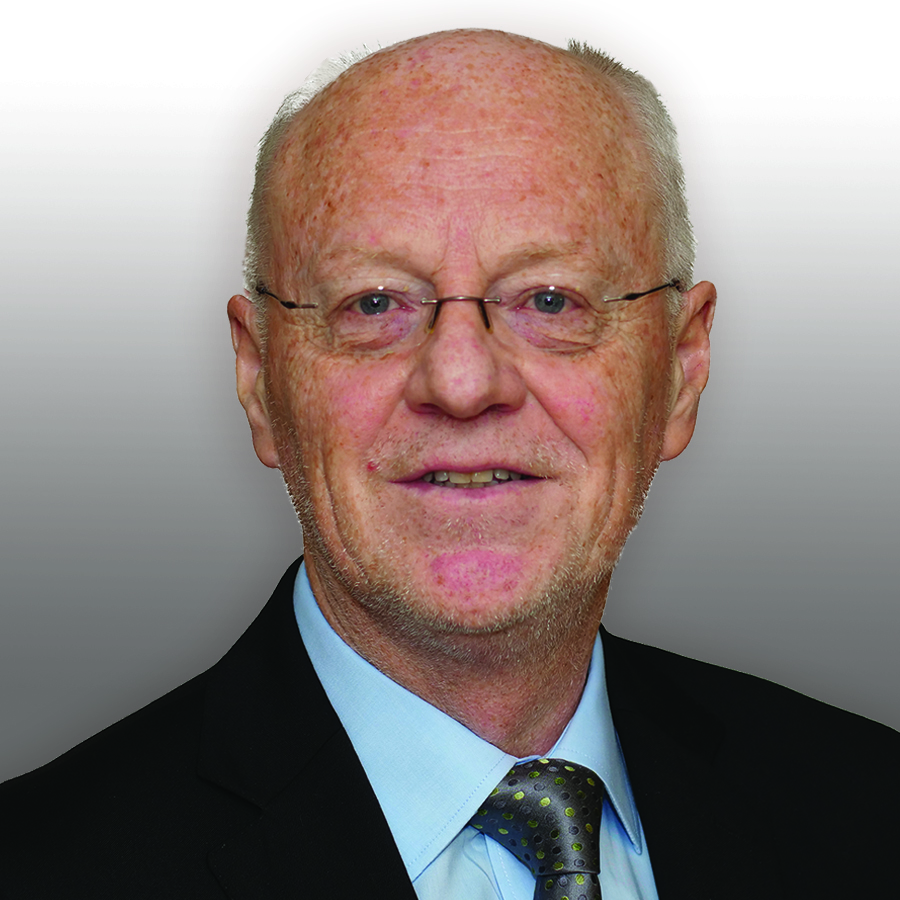
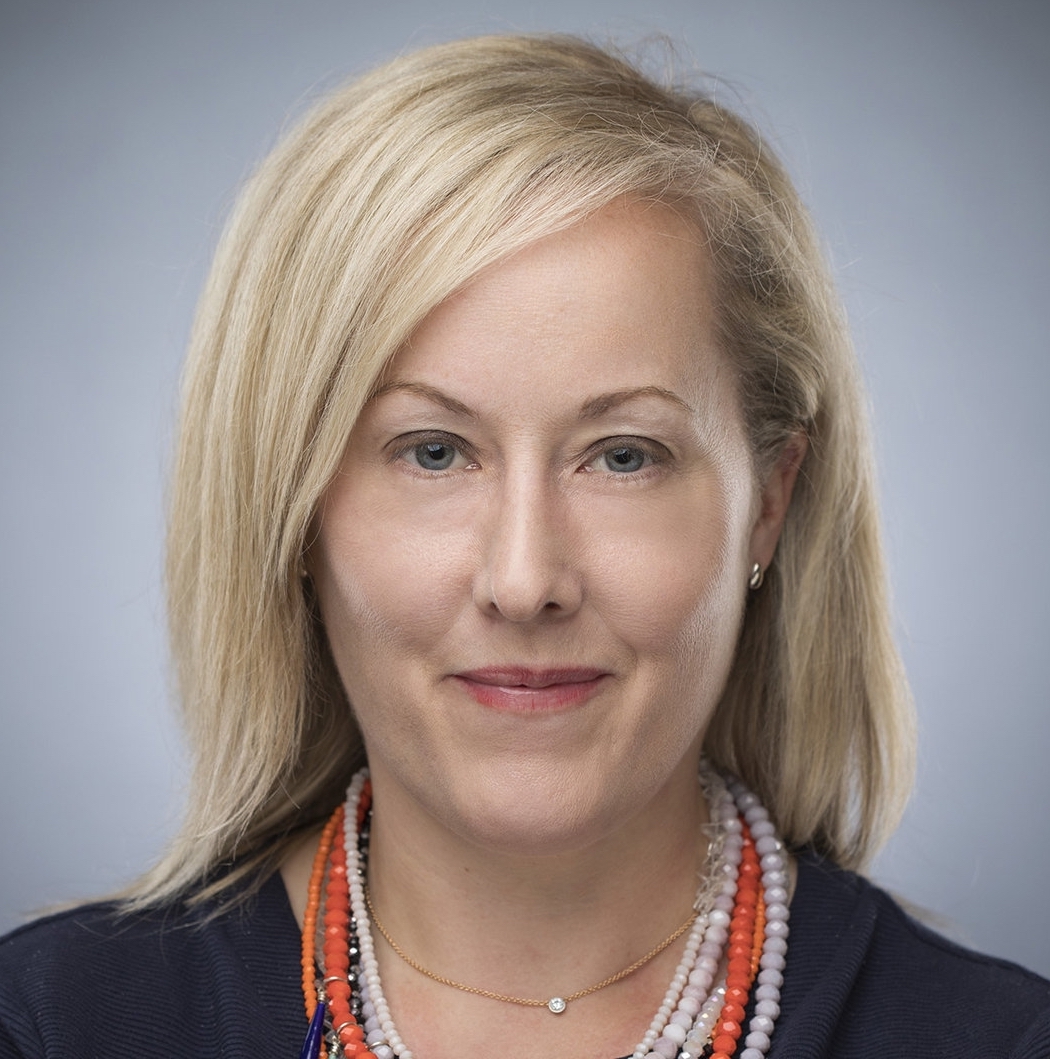
Interview Notes
Find out more about Rebecca Erwin Wells, MD, MPH, FAHS and her work here:
No Treatments Mentioned
Please note: The Migraine World Summit’s aim is to bring you a variety of perspectives and expertise, independent of bias or judgment. Alternative theories presented in this video have not been medically reviewed. Views expressed in this interview do not necessarily represent the views of the Migraine World Summit. Please always consult your health care professional and do your own research before making changes to your treatment plan.
Interview Notes
Find more about Amaal Starling, MD and her work here:
Treatments Mentioned
- Botox injections
- CGRPs
- Cognitive behavioral therapy
- Injectables
- Meditation and mindfulness techniques, such as progressive muscle relaxation
- Neuromodulation devices
- SEEDS (Sleep hygiene, Exercise regularly, Eating healthy and less processed food, Drinking water and preventing dehydration and Stress management)
- Topiramate
- Triptans
Please note: The Migraine World Summit’s aim is to bring you a variety of perspectives and expertise, independent of bias or judgment. Alternative theories presented in this video have not been medically reviewed. Views expressed in this interview do not necessarily represent the views of the Migraine World Summit. Please always consult your health care professional and do your own research before making changes to your treatment plan.
Interview Notes
Treatments Mentioned
- Essential oils
- Exercise
- Sleep
Please note: The Migraine World Summit’s aim is to bring you a variety of perspectives and expertise, independent of bias or judgment. Alternative theories presented in this video have not been medically reviewed. Views expressed in this interview do not necessarily represent the views of the Migraine World Summit. Please always consult your health care professional and do your own research before making changes to your treatment plan.
Interview Notes
Find more about Christopher Gottschalk, MD, FAHS and his work here:
Treatments Mentioned
- Beta blockers
- CGRP monoclonal antibodies
- CGRP oral treatments
- Depakote
- Eptinezumab (Vyepti)
- Lithium
- Nasal sprays
- Nerve blocks
- Oxygen
- Psilocybin
- Steroids
- Sumatriptan injections
- Topamax
- Vagal nerve stimulator (neuromodulation device)
- Verapamil
- Zolmitriptan nasal sprays
Please note: The Migraine World Summit’s aim is to bring you a variety of perspectives and expertise, independent of bias or judgment. Alternative theories presented in this video have not been medically reviewed. Views expressed in this interview do not necessarily represent the views of the Migraine World Summit. Please always consult your health care professional and do your own research before making changes to your treatment plan.
Interview Notes
Find out more about Lyn Griffiths, PhD and her work here:
No Treatments Mentioned
Please note: The Migraine World Summit’s aim is to bring you a variety of perspectives and expertise, independent of bias or judgment. Alternative theories presented in this video have not been medically reviewed. Views expressed in this interview do not necessarily represent the views of the Migraine World Summit. Please always consult your health care professional and do your own research before making changes to your treatment plan.
Note: This is a sponsored presentation from Impel Pharmaceuticals.
Key Questions
- Why do some oral treatments fail to provide consistent relief?
- How are migraine and the gut related?
- Other than nausea and vomiting, what other gastrointestinal symptoms are associated with migraine?
- What is gastroparesis?
- How do the gastrointestinal issues associated with migraine affect oral treatment?
- What does the American Headache Society recommend for patients with nausea or vomiting?
- What is the most effective way to treat migraine without pills?
- When should people with migraine consider a non-oral treatment?
Interview Notes
Webinar AGENDA
- Review and summary of findings from this year
- Surprise statements or explanations from doctors
- Practical tips and takeaways that you can start applying today
- Behind the scenes look at additional resources and tools available
- Open Q&A live with the audience
- A surprise announcement
Presentation time runs for 1 hour and 20 mins. Q&A with the audience runs for 40 mins.
- This is a replica of the live event including comments, questions and chat
- You will be prompted for your name and email for this replica replay
- If you prefer, you can watch just the video recording above without chat or interaction functionality
Background
The 2021 Highlights Webinar is an interactive session with plenty of opportunities for you to interact with the hosts of the Migraine World Summit.
Coming together as a community in this way is a great opportunity for us to connect in these times of isolation. We hope you’ll find this webinar provides some answers and inspiration to help you towards a life with less pain.
The webinar will also include highlights from the experts, practical tips, and takeaways with some of the most important insights from this year’s Summit. In addition, we have a special announcement that is made during the live webinar!
We’re excited to connect with you. Don’t miss this jam-packed webinar!
Please note: The Migraine World Summit’s aim is to bring you a variety of perspectives and expertise, independent of bias or judgment. Alternative theories presented in this video have not been medically-reviewed. Views expressed in this interview do not necessarily represent the views of the Migraine World Summit. Please always consult your healthcare professional and do your own research before making changes to your treatment plan.
Key Questions
- How does sleep affect the brain?
- What kind of information does a sleep study reveal?
- Why is REM sleep important?
- How common is sleep dysfunction in today’s world?
- How does sleep affect migraine?
- What are some of the effects of improved sleep?
- How do you know whether symptoms like fatigue or brain fog are symptoms of migraine, or medication side effects?
- How can people with migraine improve their quality of sleep?
- What role do vitamins play in both sleep and pain?
- What role does gut bacteria, or your microbiome, play in migraine and sleep?
- Can better sleep be as simple as finding the right dose of Vitamin D?
Interview Notes